

Which Curtain Fabric Is Actually Right for Your Room?
Choosing curtain fabric is one of those decisions that looks straightforward until you start making it. The options are broad, the terminology is inconsistent across suppliers, and the wrong choice — a fabric that fades within a season, won't block enough light, or drapes awkwardly — is an expensive mistake to correct. The right curtain fabric depends on the specific demands of the room: how much light control you need, whether privacy matters, how humid or sunny the space is, and what aesthetic you are working toward. This guide covers the main curtain fabric types, their practical properties, and the specific factors that determine which fabric belongs in which room.
The Most Common Curtain Fabric Types and What They Deliver
Linen and Linen Blends
Linen is one of the most popular curtain fabrics for living rooms and dining spaces because it combines a relaxed, natural texture with reasonable durability. Pure linen drapes well when made up with adequate fullness — typically 2 to 2.5 times the track width — and it filters light beautifully without blocking it entirely, creating a soft, diffused interior glow. Its natural colour variation and slight slub texture give it visual depth that synthetic fabrics rarely replicate convincingly. The practical limitation of pure linen is that it creases readily and can shrink if not pre-washed before making up. Linen-polyester or linen-cotton blends address both issues while retaining most of the visual character of pure linen, making blends the more practical choice for most domestic applications.
Cotton and Cotton Blends
Cotton curtain fabrics cover a wide range of weights and weave structures, from sheer voile to heavy canvas. Lightweight cotton voiles and muslins allow significant light transmission and are used as privacy screens in rooms that need daylight. Mid-weight cotton drill or percale works well for lined curtains in bedrooms and living rooms where moderate light control is needed. Heavy cotton canvas and cotton-polyester interlinings are used in blackout curtain construction. Cotton accepts dye well, meaning colour retention tends to be good when UV-protective lining is used, but unlined cotton curtains in south- or west-facing rooms can fade noticeably within two to three years of direct sun exposure. Pre-washing cotton before cutting and making up is essential to account for shrinkage, which can be as much as 5% in the first wash.
Velvet
Velvet curtain fabric — whether cotton velvet, silk velvet, or the more practical polyester velvet — provides excellent acoustic dampening, strong light reduction, and a visual weight that suits formal rooms, home cinemas, and bedrooms where thermal insulation is a priority. The pile structure of velvet traps air effectively, giving velvet curtains noticeably better insulating properties than flat-woven fabrics of similar weight. Velvet requires careful handling during making up: the pile direction must run consistently downward across all panels to avoid tonal variation, and velvet should not be pinned through the pile face or pressed with an iron directly on the surface. Polyester velvet is more resistant to crushing and easier to clean than cotton or silk velvet, which makes it the standard choice for high-use rooms.
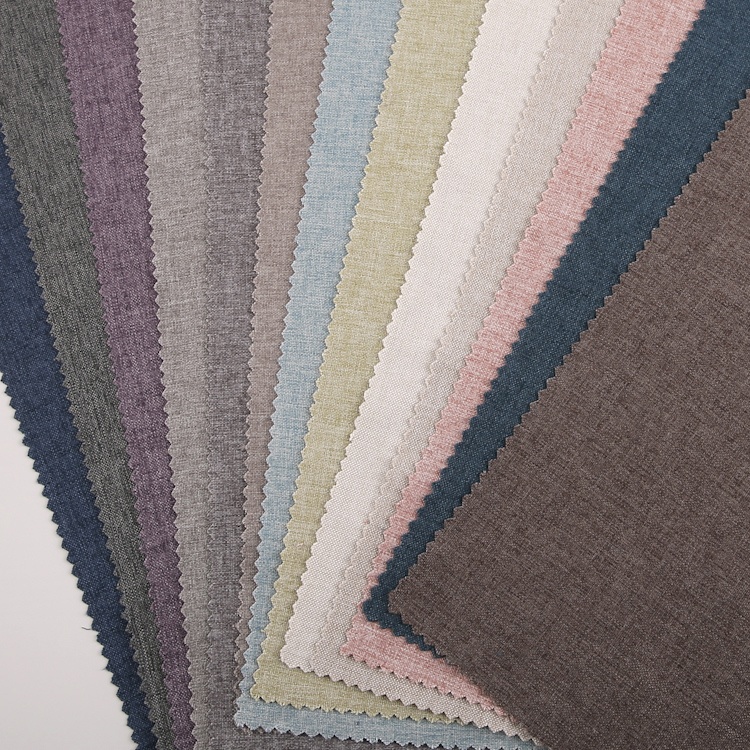
Polyester and Polyester Blends
Polyester is the most widely used fibre in curtain fabrics because of its resistance to fading, shrinkage, and moisture. Pure polyester fabrics are particularly well suited to kitchens, bathrooms, and any room with high humidity, since they do not absorb moisture and resist mould growth. Polyester also holds colour under UV exposure significantly better than natural fibres, making it the practical choice for unlined curtains in sun-exposed rooms. The aesthetic limitation of polyester is its tendency to look synthetic — light reflects off polyester weaves differently from natural fibres, and the drape can feel stiffer. High-quality polyester fabrics with fine yarn counts and complex weave structures have narrowed this gap considerably, but the visual difference remains apparent in quality fabrics at close range.
Silk and Faux Silk
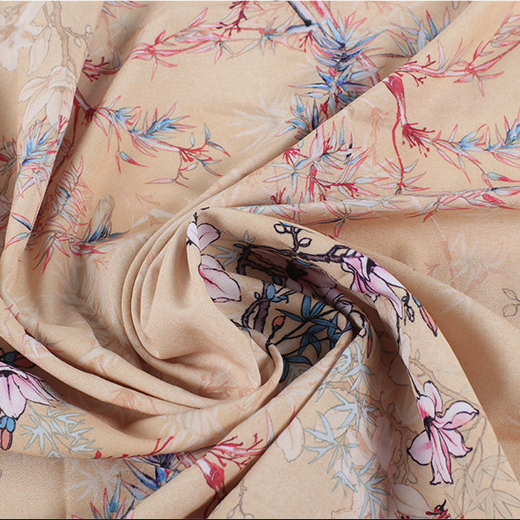
Silk curtain fabric has a luminosity and drape that no synthetic fully replicates. It is used in formal reception rooms and principal bedrooms where its visual impact justifies the cost and maintenance demands. Genuine silk is highly vulnerable to UV degradation — unlined silk curtains in sunny rooms can develop splits along fold lines within a year — and it requires professional cleaning. For these reasons, most interior designers specify silk only with full lining and interlining to protect the face fabric from both light and handling. Faux silk fabrics woven from polyester microfibre are a practical alternative that captures much of the visual sheen of genuine silk at a fraction of the cost, with far greater resistance to UV damage and simpler care requirements.
Curtain Fabric by Room: Matching Properties to Requirements
| Room | Key Requirement | Recommended Fabric | Fabrics to Avoid |
| Bedroom | Light blockage, thermal insulation | Velvet, lined cotton, blackout-lined linen | Unlined sheers, lightweight voile |
| Living room | Drape, aesthetics, moderate light control | Linen blend, faux silk, lined cotton | Unlined pure linen in west-facing rooms |
| Kitchen | Moisture resistance, easy cleaning | Polyester, polyester-cotton blend | Velvet, silk, heavy lined fabrics |
| Bathroom | Moisture resistance, privacy | Polyester voile, synthetic sheer | Cotton, linen, velvet |
| Home office | Glare control, light diffusion | Linen blend, cotton voile, sheer polyester | Heavy blackout fabrics |
Understanding Curtain Fabric Weight and Its Effect on Drape
Fabric weight, measured in grams per square metre (GSM), is one of the most reliable indicators of how a curtain fabric will behave once hung. Lightweight fabrics in the 100–200 GSM range include sheers, voiles, and unlined cotton muslin. These create soft, fluid movement and are appropriate for rooms where light filtration rather than blockage is the goal. They require high fullness — at least 2.5 times the track width — to avoid looking sparse when hung.
Mid-weight fabrics from 200 to 350 GSM cover most lined curtain applications, including cotton drills, linen blends, and polyester weaves used for standard bedroom and living room curtains. These fabrics drape well with a fullness ratio of 2 to 2.5 and provide moderate light and thermal control when lined. Heavy fabrics above 350 GSM — including velvet, heavyweight canvas, and interlined panels — produce the formal, structured drape associated with traditional and contemporary high-end interiors. They require robust tracking hardware and strong fixings, since a pair of fully interlined velvet curtains for a large window can weigh 15 kilograms or more.
Lining Options and What They Add to Any Curtain Fabric
The lining chosen for a curtain is as important as the face fabric in determining the final performance of the finished curtain. There are three practical lining weights used in residential curtain making, each suited to different requirements.
- Standard cotton sateen lining: The most common curtain lining, typically 130–150 GSM cotton sateen in a cream or white. It protects the face fabric from UV degradation, improves drape and body, and provides a finished interior appearance. It does not significantly block light but extends the life of the face fabric considerably in sun-exposed rooms.
- Blackout lining: A coated fabric — usually polyester or cotton with an acrylic or foam back-coating — that blocks 95–100% of light when used correctly. Blackout lining is essential for bedrooms used for daytime sleeping, nurseries, and home cinemas. It also adds thermal insulation and can reduce heat loss through large windows significantly. The quality of blackout lining varies considerably; three-pass coated linings provide more consistent blackout performance than single-pass alternatives.
- Interlining: A thick, fleece-like fabric inserted between the face fabric and the lining to add bulk, thermal performance, and acoustic dampening. Interlined curtains hang with a heavy, formal appearance and provide the best insulation values of any curtain construction. They are more expensive and more time-consuming to make up but are worth the investment in rooms where thermal comfort is a priority, particularly in older properties with single-glazed or draughty windows.
Fabric Care and Longevity: What to Check Before You Buy
Curtain fabrics are a long-term investment, and understanding care requirements before purchasing prevents problems later. The care label on any fabric should be checked for washability, shrinkage guidance, and dry-clean requirements. As a general rule, synthetic and synthetic-blend fabrics are the most straightforward to care for — most can be machine-washed on a cool cycle and rehung while slightly damp to allow gravity to remove creases. Natural fibres require more attention: linen should be pre-washed before cutting, cotton can shrink up to 5% in the first wash, and velvet and silk should be dry-cleaned to preserve their surface structure and finish.
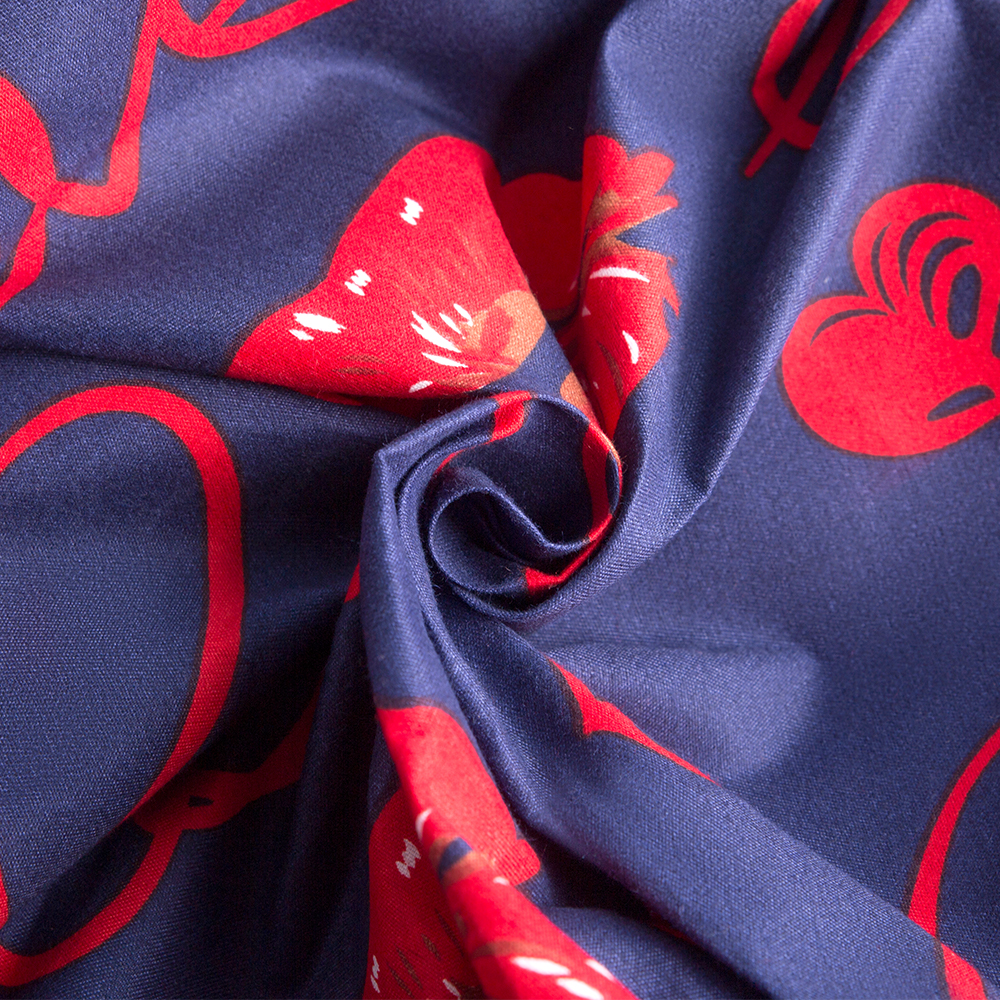
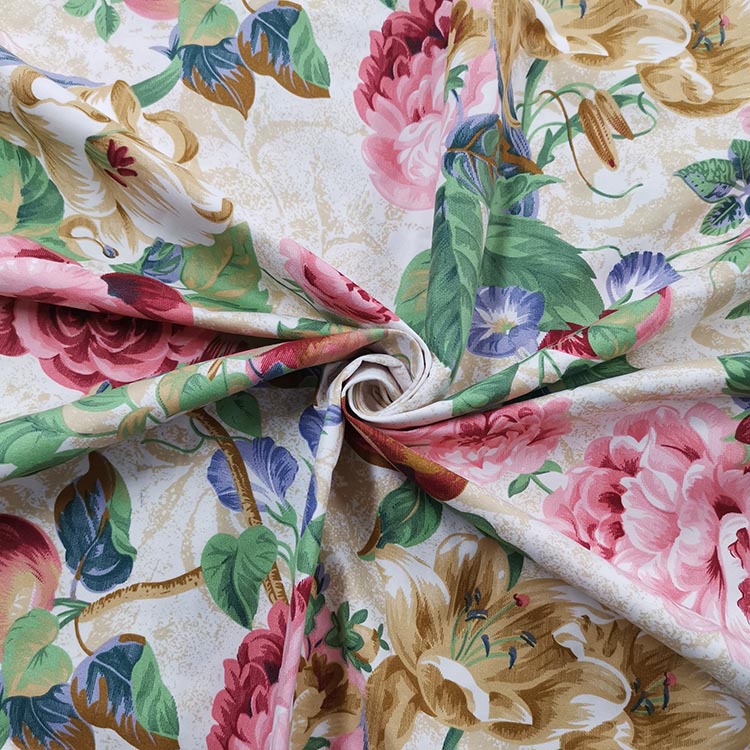
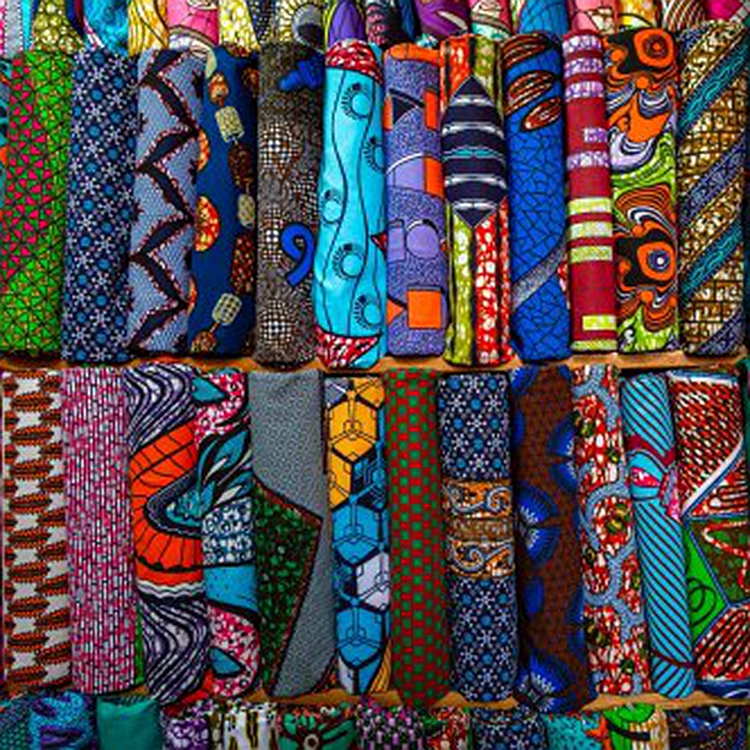
Fabric pattern repeats are another practical consideration that is easy to overlook when ordering. A large pattern repeat — anything above 25 cm — increases the amount of fabric required per drop, since each panel must be cut to align the pattern at the same point. For a pair of curtains with a 64 cm pattern repeat and a 250 cm finished drop, the additional fabric required per panel can add 50 cm or more to the cut drop. Calculating this accurately before ordering avoids the frustration of receiving fabric that is just short of what is needed to match the pattern across a set of panels.
The Practical Decision: Narrowing Down Your Fabric Choice
The most useful way to approach curtain fabric selection is to define the non-negotiable requirements first — light control, moisture resistance, thermal performance — and then choose the fabric type that meets those requirements within the available budget. Aesthetic preferences for texture, colour, and drape should follow from that functional shortlist rather than precede it. A beautiful silk curtain in a bathroom or a delicate sheer in a bedroom that needs blackout performance are mistakes that look good in a showroom and fail in practice within months.
Order fabric samples and hang them in the actual room before committing. Fabric looks different under artificial light than under natural light, and the texture and drape that read well in a studio photograph may look entirely different against your specific wall colour and floor finish. Most fabric suppliers offer sample swatches for a small fee or free of charge — using them is the single most reliable way to make a confident curtain fabric decision before any cutting begins.